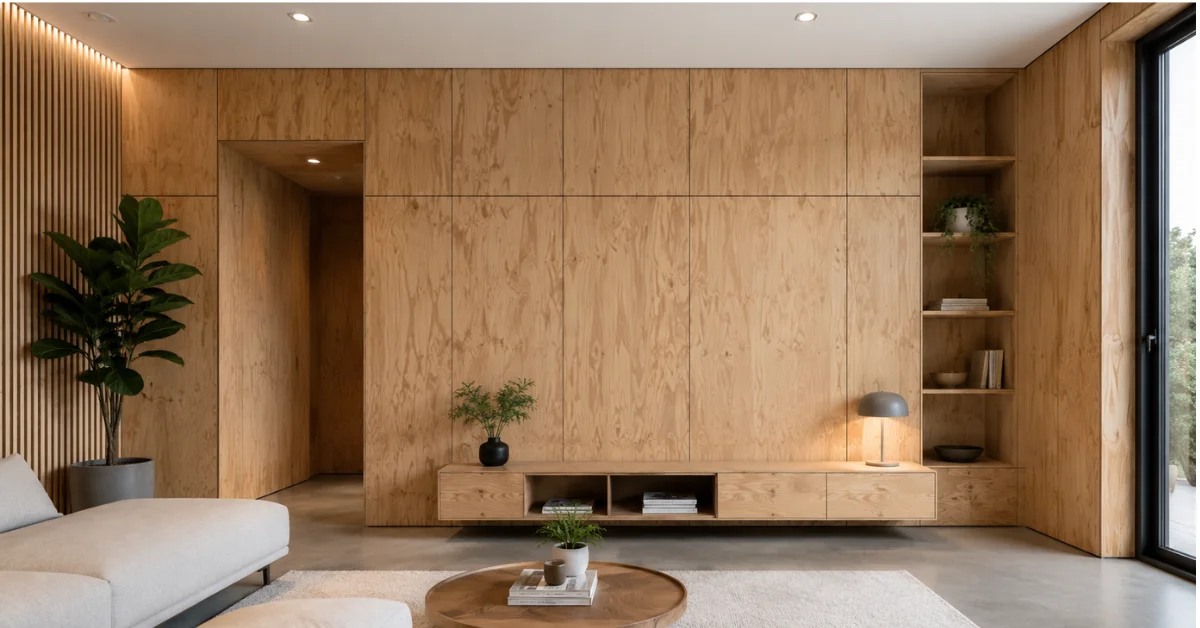
Ply board walls have become a favorite among homeowners and designers who want warmth, texture, and character without the cost of solid wood paneling. Made from thin layers of wood veneer glued together, ply board walls offer the natural look of timber at a fraction of the price, while also being easier to install and maintain. Whether you’re renovating a single accent wall or covering an entire room, this versatile wall treatment is worth understanding before you start.
What Are Ply Board Walls?
Ply board walls are simply walls finished using plywood sheets instead of drywall, brick, or solid timber. The plywood can be left in its natural finish for a raw, minimalist look, stained to enhance the wood grain, or painted for a smoother, more modern appearance. Because plywood is engineered from cross-layered veneers, ply board walls are generally more stable and less prone to warping than solid wood boards, especially in areas with fluctuating humidity.
Why Ply Board Walls Are Trending
Interior designers have embraced ply board walls for their versatility. A single plywood accent wall can instantly warm up a space that feels too clinical or cold, especially in homes leaning into Scandinavian or Japandi aesthetics. Beyond appearance, plywood wall treatments are also appreciated for being lightweight, relatively affordable, and quick to install compared to masonry or full timber cladding. For anyone searching for plywood wall design ideas, the range of finishes—from raw birch to rich walnut veneer—makes this material adaptable to almost any interior style.
Popular Plywood Wall Panels and Finishes
Not all ply board walls look the same. Plywood wall panels come in different grades, thicknesses, and veneer types, which significantly affects both appearance and price. Birch plywood offers a light, clean look popular in minimalist interiors, while oak or walnut veneer plywood brings a richer, more traditional feel. Some homeowners choose plywood wall cladding with visible grooves or slatted patterns, which adds depth and a subtle architectural rhythm to an otherwise flat wall. These slatted styles have become especially popular for feature walls behind beds, sofas, or TV units.
Installing Ply Board Walls Yourself
A DIY plywood wall project is genuinely achievable for anyone with basic tools and a bit of patience. The general process involves measuring and cutting plywood sheets to size, attaching furring strips or a plywood underlayment to the existing wall if needed, and then securing the panels using adhesive and finishing nails. Sanding the edges and applying a sealant or stain afterward gives ply board walls a polished, professional look. For anyone new to carpentry, starting with a small plywood accent wall is a smart way to build confidence before tackling a larger interior plywood walls project.
Cost of Plywood Walls
The cost of plywood walls depends heavily on the grade of plywood chosen and the size of the area being covered. Basic construction-grade plywood is the most budget-friendly option, while cabinet-grade or veneer-finished sheets cost considerably more per square foot. Labor costs are relatively low if you’re doing a DIY plywood wall, but hiring a professional for larger interior plywood walls projects will add to the overall cost of plywood walls. Comparing this to the price of solid wood paneling or natural stone cladding, ply board walls remain one of the more affordable ways to achieve a textured, natural interior finish.
Maintaining Ply Board Walls
One underrated benefit of ply board walls is how low-maintenance they are once properly sealed. A light coat of polyurethane or natural oil finish protects the surface from moisture and everyday wear, and most cleaning only requires a dry or slightly damp cloth. Unlike wallpaper, these wall panels don’t peel, and unlike paint, they don’t easily chip or show scuff marks, which makes them a practical choice for high-traffic areas like hallways and living rooms.
Where Ply Board Walls Work Best
Ply board walls suit almost any room, but they shine especially in living rooms, home offices, and bedrooms where a warm, grounded feel is desired. Plywood wall cladding also works well in commercial spaces like cafes and studios looking for a natural, understated backdrop. Because ply board walls are lightweight, they’re also a practical option for rental properties or temporary installations, since panels can be removed without the structural damage that comes with tile or brick work.
Final Thoughts on Ply Board Walls
Ply board walls strike a rare balance between affordability, natural aesthetics, and ease of installation. Whether you go with a bold plywood accent wall or full interior plywood walls throughout a room, the material offers warmth and texture that few other budget-friendly options can match. With the right finish and a clear understanding of the cost of plywood walls, this is one home upgrade that consistently delivers more visual impact than its price tag suggests.
FAQs
Are ply board walls durable long-term?
Yes, properly sealed ply board walls resist warping, chipping, and moisture damage far better than many other wall finishes. With a quality sealant, they can look great for many years with minimal upkeep.
Can I install ply board walls myself?
Absolutely. A DIY plywood wall project just requires basic tools, accurate measuring, and either adhesive or furring strips for mounting. Starting with a small accent wall is a good way to learn the process.
What is the average cost of plywood walls?
Cost varies by plywood grade, with construction-grade being the cheapest and veneer-finished sheets costing more. Overall, ply board walls remain more affordable than solid wood paneling or stone cladding.
Do ply board walls work in humid rooms?
Standard plywood can absorb moisture over time, so bathrooms or very humid rooms need marine-grade plywood and a strong waterproof sealant. Living rooms and bedrooms are ideal without extra precautions.
What finish looks best on ply board walls?
It depends on style preference — birch plywood suits minimalist interiors, while oak or walnut veneer adds warmth and richness. Slatted or grooved plywood wall cladding is popular for feature walls.
Leave a Reply